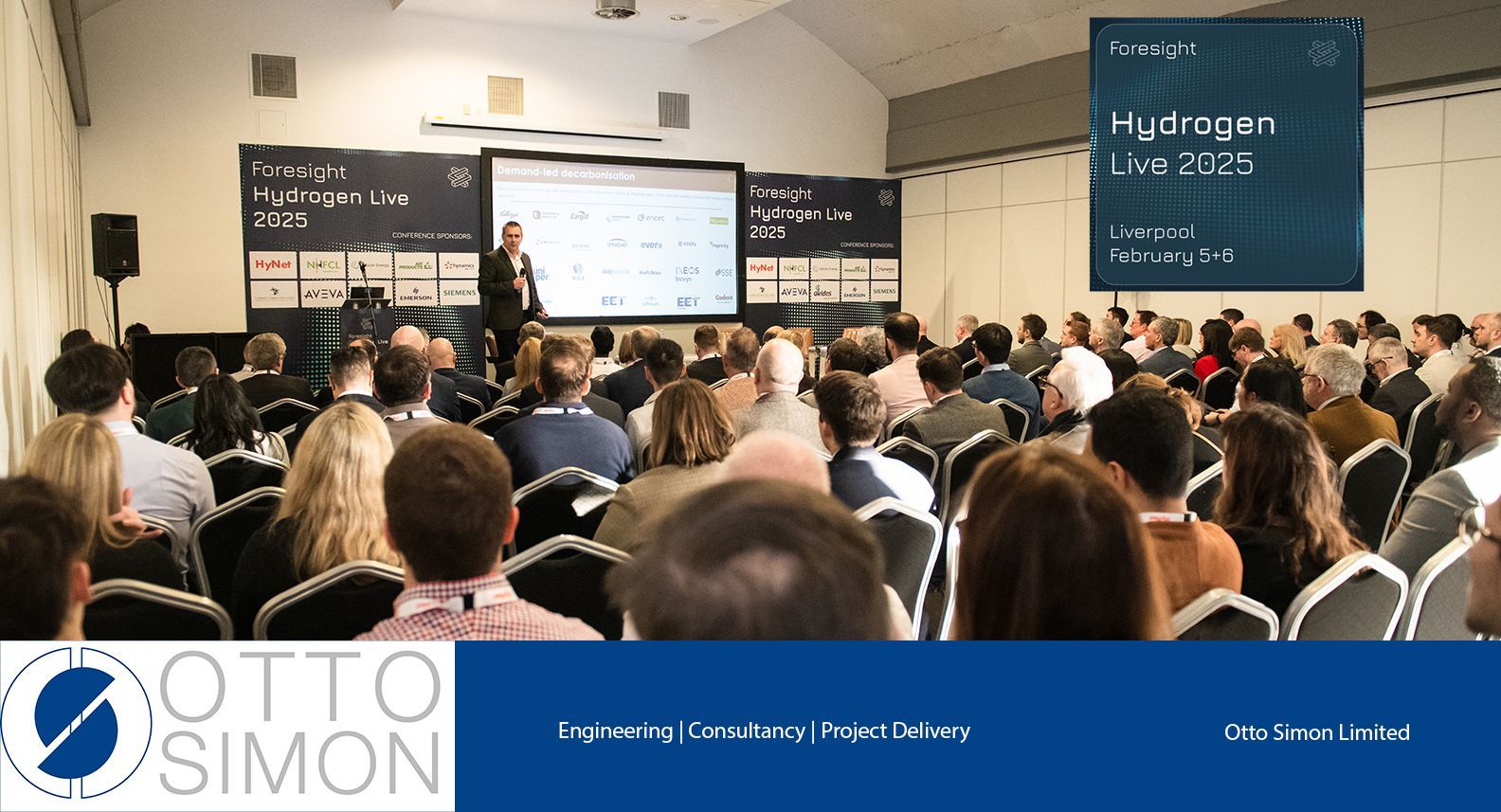
Foresight Hydrogen Live 2025

Clees • February 14, 2025

Otto Simon attended the two-day H2 Conference in Liverpool on the 5th and 6th of February at the Titanic Hotel.


There was cautious optimism on the part of the attendees in respect of the UK H2 developments as the economy currently has sluggish growth forecasts and the HAR 1 Contracts between the H2 producers and the Government are slowly reaching conclusion. HyNet is moving forward but at a pedestrian pace. Interest in hydrogen is high and there are more potential off-takers of H2 than there is projected supply over the next five years, but this imbalance is being addressed. Questions were raised about the current funding model, which if maintained, could add up to £200- £300 per year to the average domestic consumer’s household bill. It was suggested that just burning H2 as a natural gas replacement was a futile exercise, whereas using it to create energy from powering turbines and developing H2 storage would be a more economically effective use of H2. Apparently, Air Products is the world’s biggest global H2 producer with some 9,000 tonnes per day and they intend to grow this business. The EU has a plan to produce 1,000 tonnes per day and is on track to achieve this. The UK has some catching up to do.


There were altruistic comments calling for greater collaboration in the sharing of innovative ideas and how to tackle emergent issues together which have arisen from the numerous H2 projects involving the H2 community. However, whilst this notion was tepidly received, the companies concerned, often in competition with each other to get awarded H2 projects, will remain naturally protective of their technologies, their IP and their commercial aspirations therefore co-operation will be somewhat limited and transactional. Cadent and others highlighted the planning issues associated with developing the intended H2 cross- county pipelines and urged the local authorities to work together.


Modular Nuclear Generation was discussed. At the present there are only five sites in the UK where these can be legally located. The manufacturers stressed the safety case for considering locating reactors in areas where there are greater densities of population to supply energy closer to intended H2 facilities. A promising idea in principle?

Back to Blog

Recent Blog Posts

By Karl Burgess June 16, 2026
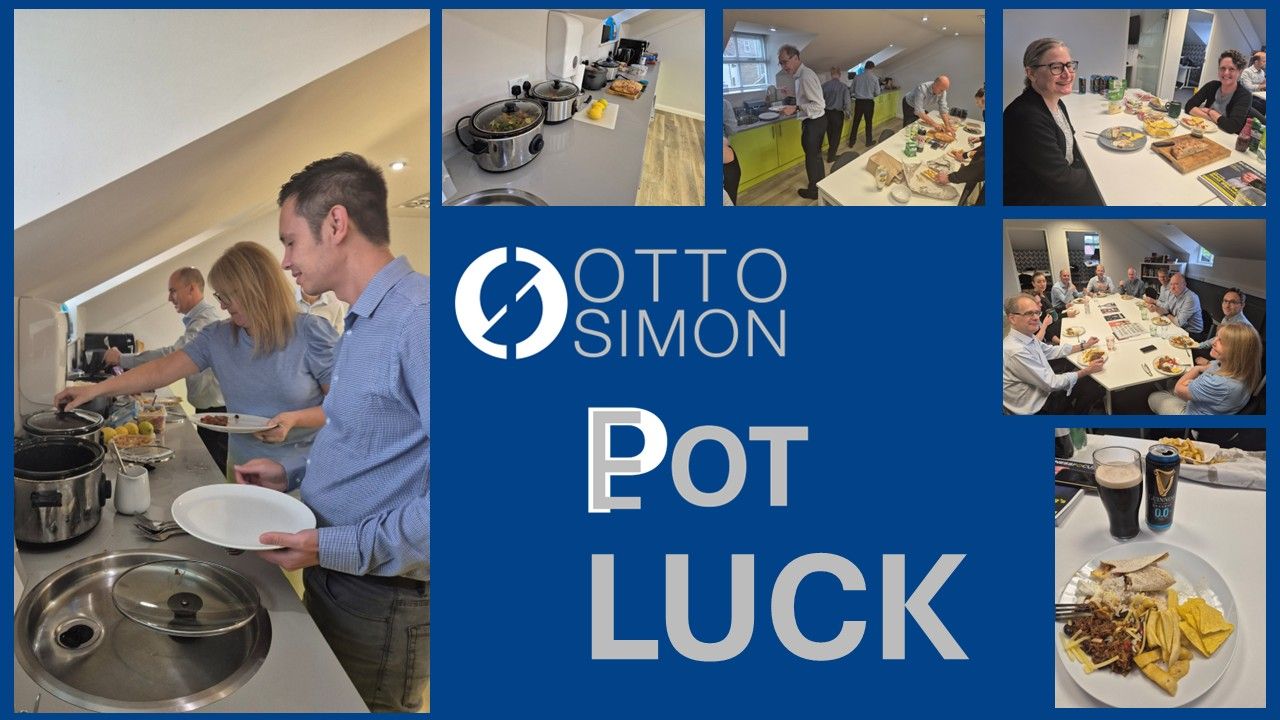
The Employee Council hosted a successful potluck lunch with the team at United House, and it is fair to say the whole event was very well constructed. All staff members contributed to a diverse and extensive buffet of food, leaving us all slightly slower-moving, and a little tired afterwards. Dishes on offer included jerk pulled pork, chilli con carne, homemade focaccia, flapjacks and an array of meats, cheeses and fruit, all washed down with (non-alcoholic) beer and G&T. The spread had clearly been designed with generous safety factors in mind, and by the end we were all operating somewhere outside our normal design capacity. It’s important as an Employee Owned Trust to build strong working and personal relationships with our colleagues, and nothing helps strengthen these bonds quite like breaking focaccia with the rest of the team. Based on this strong turn out, we are keen to repeat the process next quarter, albeit hopefully with the catering slightly better calibrated to the team’s calorific requirements and without such significant overage. That said, having a little redundancy in the system is rarely a bad thing, particularly when the redundant item happens to be flapjacks. A huge thank you all those that made and bought food, and especially to Anna, our EOT President and Office Manager, for all the hard work, organisation and no doubt a fair amount of stress involved in arranging the event and chasing up various people to ensure we didn’t all bring crisps with no dips. Her project management kept everything on programme, avoided any major snack-based clashes, and ensured the final delivery was both structurally sound and thoroughly enjoyed.
By Paul Cooper May 20, 2026
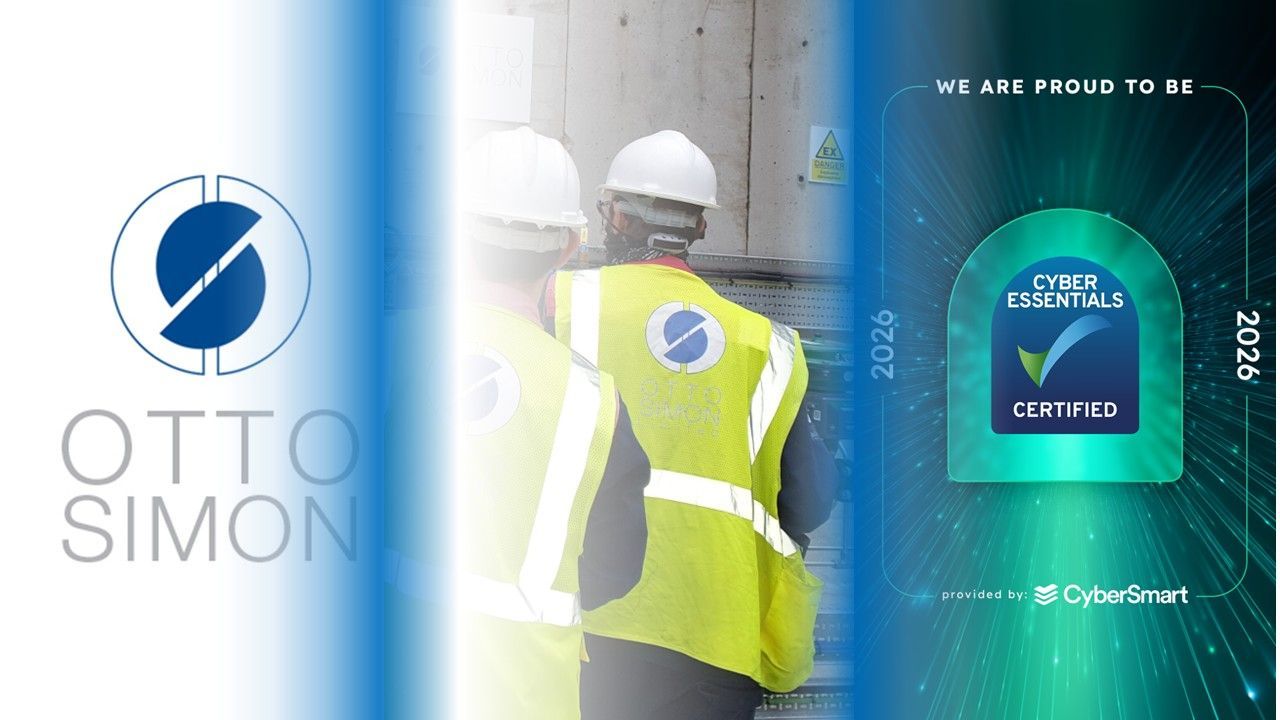
Otto Simon Ltd are proud to announce that we have achieved Cyber Essentials Plus certification
By Fiona Smith April 10, 2026
Stress awareness has never been more important in the modern workplace. Research consistently shows that one in four workers report feeling unable to cope with stress at work, a statistic that highlights a growing and genuine challenge for organisations and individuals alike. At Otto Simon, stress awareness is taken seriously, not only because it impacts productivity, safety and performance, but because people matter. As a business that works in engineering, we understand the concept of stress in more than one context. Pipework and mechanical structures subjected to undue loads can cause material to deform, yield and eventually fail. Like these materials, people too, if exposed to significant and persistent stresses may cause detrimental impacts to our mental health. Unfortunately unlike steel structures, where the capacity of materials and force they are subjected to can be modelled and calculated, the stresses being put on our mental wellbeing are often multiple and nebulous and there is no clear “Youngs Modulus” or “Yield Point” equivalent to our individual resistance and specific response to different stresses. By making this distinction clear, we recognises that people are not components to be pushed until failure. Instead, they are individuals who need understanding, empathy and appropriate support, especially when stress levels begin to build. Stress does not always originate from the job itself. Financial worries, concerns for family and friends, exposure to distressing news, and uncertainty about the future can all impact concentration, mood and resilience at work. Acknowledging this reality is essential. At Otto Simon, there is a clear understanding that stress may arise from both professional and personal circumstances, and support should not be limited solely to issues that occur “on the clock”. We believe strongly in watching out for our colleagues; As part of this commitment, Otto Simon has invested in training two Mental Health First Aiders, reinforcing the message that mental wellbeing is valued just as highly as physical health and safety. These trained individuals act as a first point of contact for colleagues who may be experiencing emotional distress, offering a safe, confidential and non‑judgemental space to talk. Mental Health First Aiders are not therapists, nor are they expected to “fix” problems. Instead, they serve as a vital bridge, listening, providing reassurance, and signposting individuals towards appropriate professional support where needed. By embedding this support within the workplace, Otto Simon continues to foster a culture where conversations about mental health are normalised rather than avoided. A mentally healthy workforce is a safer, more resilient and more effective one. High levels of stress can lead to fatigue, distraction and anxiety, increasing the risk of errors and workplace accidents. Conversely, we believe that when employees feel supported and able to talk openly, they are more likely to seek help early, before stress becomes overwhelming. Stress Awareness is not confined to a single week or campaign, it is an ongoing commitment. Through investment in people, open conversations, and practical support, Otto Simon demonstrates that wellbeing is a shared responsibility. Whether stress originates from within the business or from the wider world beyond it, no one is expected to face it alone.
Show More